Plant-for-the-Planet at COP 31
Follow our delegation as we advocate for impactful climate action on the ground in AntalyaGet Updates from COP 31 in Antalya
Stay updated on the latest developments in forest restoration, conservation, and youth rights and participation.


Meet Us in Antalya
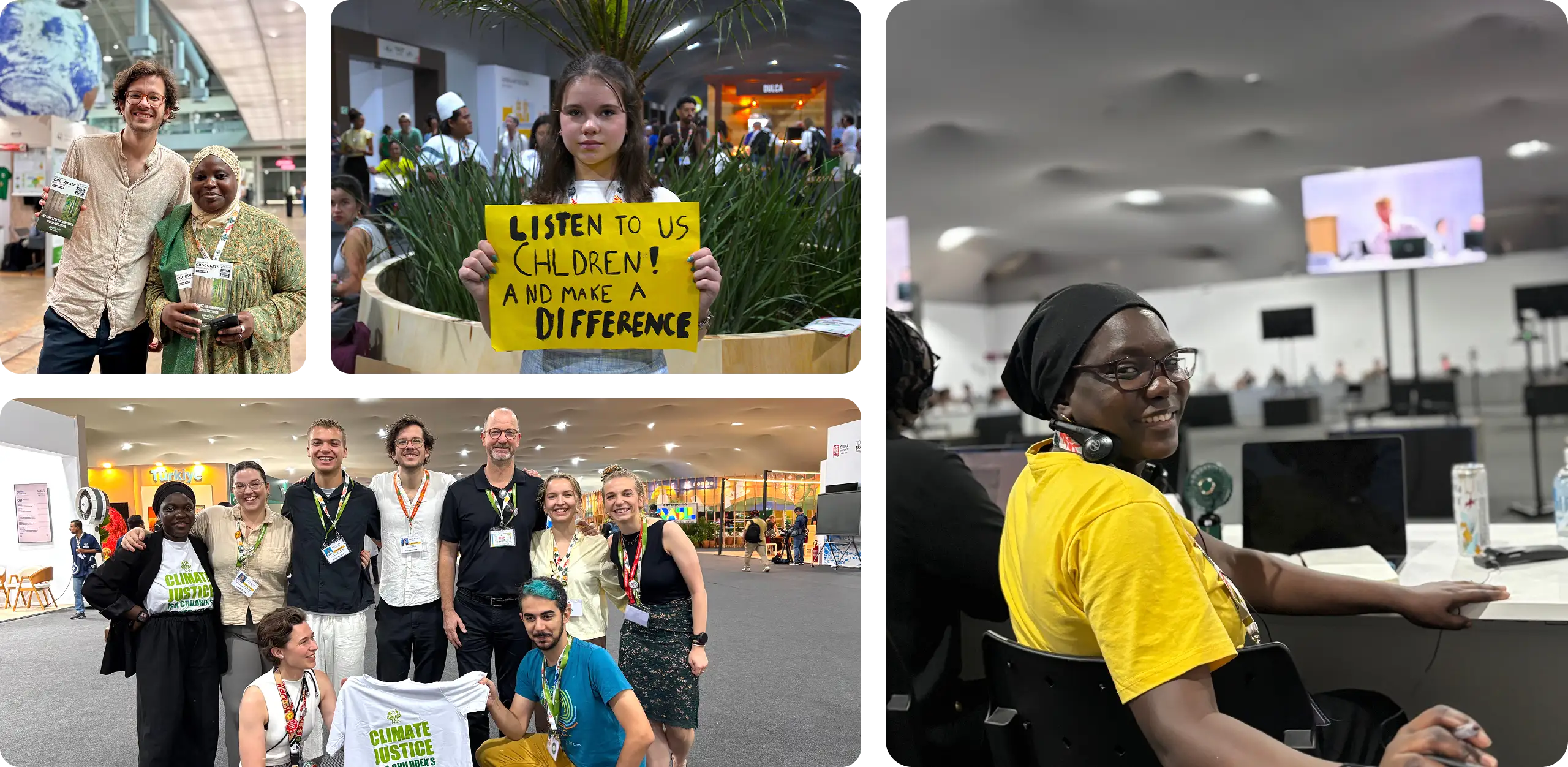
At COP 31 in Antalya, Türkiye, Plant-for-the-Planet’s global delegation is advocating for forest conservation, restoration, youth rights and participation, focusing on climate action, and climate justice. Believing that civil society is a crucial part of the UNFCCC, we will be on the ground championing these priorities and fighting for climate justice.Get In Touch With Our Delegation




Join Our Side Events
Advocacy Stories From & Beyond COP 31
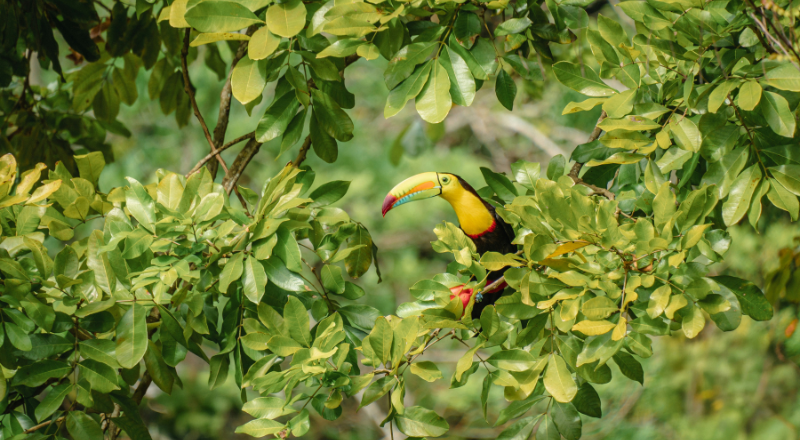
CBD COP 17 Explained: What the UN Biodiversity Summit Means for Nature

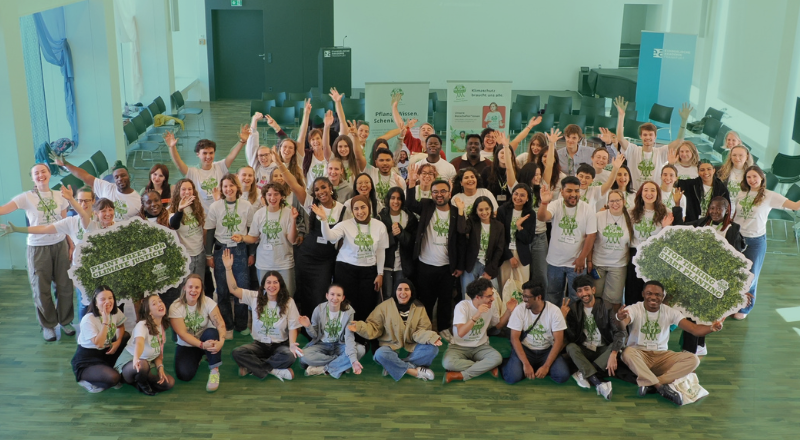
Youth Summit 2026: Stronger together for climate, community and democracy
Plant-for-the-Planet’s Key Demands for COP 31
We call on states to protect 1.5°C, protect human rights and our forests!In 2021 at COP 26, 145 governments pledged to halt and reverse deforestation and forest degradation by 2030. And yet, we lost 7 million hectares of forest in 2025. Therefore, at COP 31, we urge parties to:
➔ Deforestation Roadmap: High-level political engagement with the roadmap process. Comprehensive national plans to end forest destruction, with clear, time-bound commitments that embed Indigenous Peoples' and Local Communities’ rights, and a robust forest accountability framework.
➔ Forest finance: Scale up international forest finance with direct access for Indigenous Peoples and Local Communities, and countries in the Global Majority. Phase out subsidies that harm forest ecosystems and reform financial and fiscal rules to enable forest-positive investments.➔ Tropical Forest Forever Facility (TFFF): Fully fund the TFFF before the end of 2026, publish its operational manual in a timely and transparent manner, strengthen its integrity and accountability, and ensure meaningful direct access to funding for Indigenous Peoples and Local Communities.
➔ Supply chains: Transparent, ethical, deforestation- and degradation-free supply chains on both the demand and supply sides.
➔ Across the negotiations: Consider the role of forests as carbon stocks and “biodiversity hosts” in the Second Global Stocktake under the Paris Climate Agreement (GST2), and create a standalone agriculture and food security workstream with special attention to agroforestry.
Children are not just victims of the climate crisis; they are effective agents of change. Climate Empowerment means having access to climate education, the resources to lead change, and the right to be heard and to a healthy environment. Therefore, at COP 31, we urge parties to:
➔ Climate education: Every child and young person has access to quality climate education through formal education, starting at an elementary school level, with child- and gender-responsive curricula, teacher training, and green and climate-resilient schools.
➔ Climate information: Accurate, science-based and age-appropriate climate information, including measures to address climate mis- and disinformation.
➔ Participation: Formal inclusion of children and youth in decision-making structures, including national delegations, consultation bodies, and advisory roles.
➔ Finance: Direct, simplified access to finance for youth-led organisations, prioritising adaptation and loss & damage finance.
➔ Policy and reporting: Child-sensitive Nationally Determined Contributions and budgeting, and make children visible in monitoring and reporting through disaggregated data.➔ Indigenous Peoples and Local Communities (IPLCs): Respect and protect their rights to self-determination and ownership over lands and natural resources, and enable meaningful participation of IPLCs in all climate action and policymaking.
➔ Human rights: Strong international cooperation from all parties grounded in respect for international human rights law and the rule of law.
➔ Civic space: Protect civic space to enable the right to participate in environmental decision-making.Under the New Collective Quantified Goal (NCQG) agreed at COP 29, developed countries are expected to mobilize at least $300 billion annually by 2035. Therefore, at COP 31, we urge parties to:
➔ Germany: Honour its commitment to provide €6 billion annually in international climate finance. Together with the Klima-Allianz Deutschland, we demand a gradual increase to €12 billion annually by 2030.
➔ Fill up the funds: Replenish the Green Climate Fund, the Adaptation Fund and the Fund for Responding to Loss and Damage, prioritising grants for the most climate-vulnerable countries and communities.Governments must turn the commitment to transition away from fossil fuels into concrete action. Therefore, at COP 31, we urge parties to:
➔ Renewable electrification: Accelerate electrification alongside the Transitioning Away from Fossil Fuels (TAFF) process, based on additional renewable energy, grids, storage and energy efficiency.
➔ Fair supply chains: Ensure human rights and environmental protection in critical raw material supply chains, and reduce primary resource demand through repair, reuse and recycling.➔ Energy access: Affordable renewable energy for energy-poor communities, and clean cooking solutions that reduce reliance on charcoal and firewood, easing pressure on forests.
➔ Fossil-Free Zones: Prevent new fossil fuel infrastructure in biodiversity-rich and ecologically sensitive areas, and establish and strengthen Fossil-Free Zones.
List of position papers that we co-signed:
German Climate Alliance (Klima-Allianz)
Advocating at COPs since 2011